In the history of art, prehistoric art is all art produced in preliterate, prehistorical cultures beginning somewhere in very late geological history, and generally continuing until that culture either develops writing or other methods of record-keeping, or it makes significant contact with another culture that has.
The very earliest human artifacts showing evidence of workmanship with an artistic purpose are a subject of some debate; it is clear that such workmanship existed by 40,000 years ago in the Upper Palaeolithic era. From the Upper Palaeolithic through the Mesolithic, cave paintings and portable art such as figurines and beads predominated, with decorative figured workings also seen on some utilitarian objects. In the Neolithic evidence of early pottery appeared, as did sculpture and the construction of megaliths. Early rock art also first appeared in the Neolithic. The advent of metalworking in the Bronze Age brought additional media available for use in making art, an increase in stylistic diversity, and the creation of objects that did not have any obvious function other than art. It also saw the development in some areas of artisans, a class of people specializing in the production of art, as well as early writing systems. By the Iron Age, civilizations with writing had arisen from Ancient Egypt to Ancient China.
Thursday, September 8, 2011

Thursday, August 11, 2011
Industrial Revolution
The Industrial Revolution was a period from the 18th to the 19th century where major changes in agriculture, manufacturing, mining, transportation, and technology had a profound effect on the social, economic and cultural conditions of the times. It began in Britain, then subsequently spread throughout Western Europe, North America, Japan, and eventually the world.
The Industrial Revolution marks a major turning point in human history; almost every aspect of daily life was influenced in some way. Most notably, average income and population began to exhibit unprecedented sustained growth. In the two centuries following 1800, the world's average per capita income increased over 10-fold, while the world's population increased over 6-fold.
The Industrial Revolution marks a major turning point in human history; almost every aspect of daily life was influenced in some way. Most notably, average income and population began to exhibit unprecedented sustained growth. In the two centuries following 1800, the world's average per capita income increased over 10-fold, while the world's population increased over 6-fold.
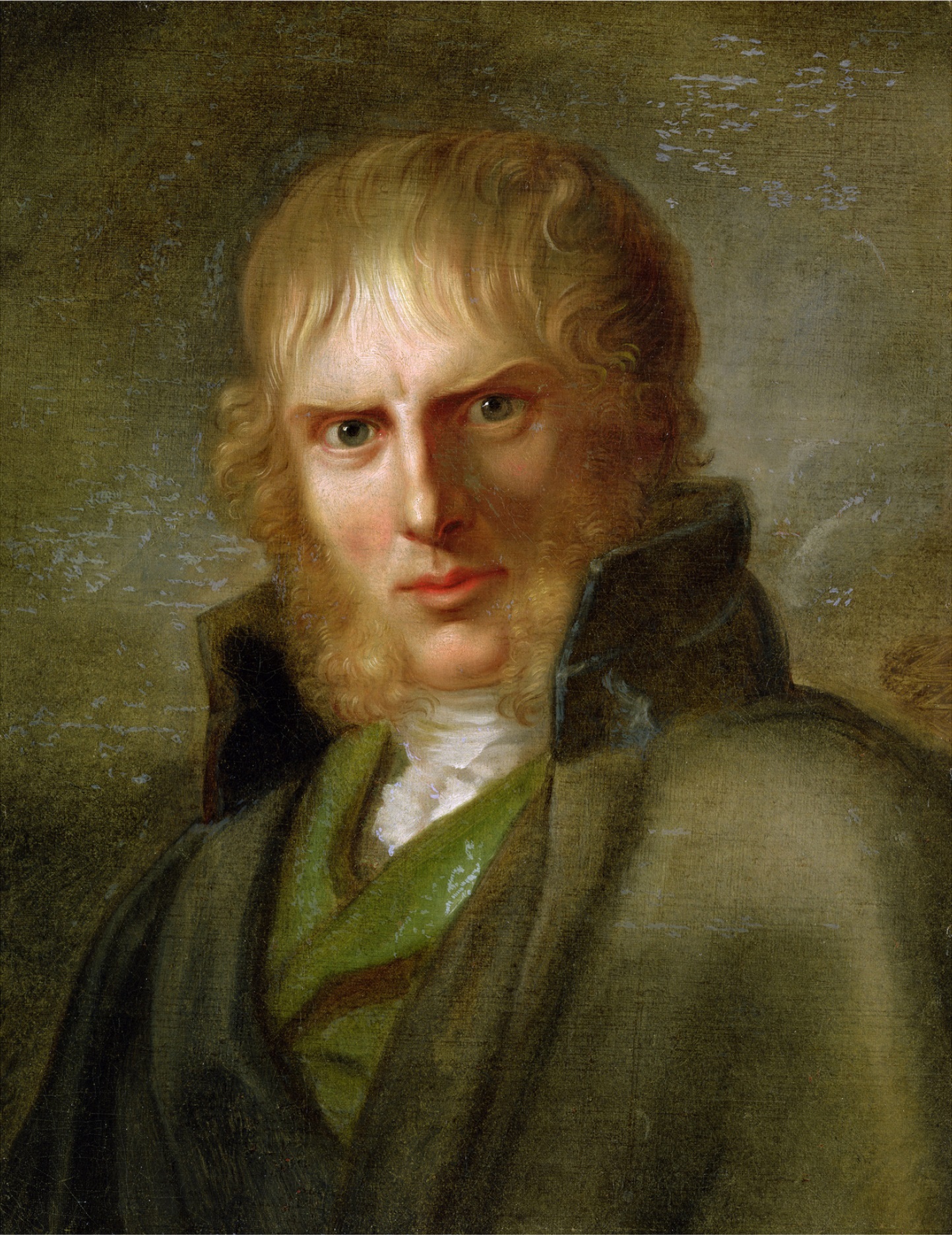
Caspar David Friedrich
Friday, July 15, 2011
Romanticism
The movement validated strong emotion as an authentic source of aesthetic experience, placing new emphasis on such emotions as trepidation, horror and terror and awe—especially that which is experienced in confronting the sublimity of untamed nature and its picturesque qualities, both new aesthetic categories. It elevated folk art and ancient custom to something noble, made spontaneity a desirable characteristic (as in the musical impromptu), and argued for a "natural" epistemology of human activities as conditioned by nature in the form of language and customary usage.
Romanticism reached beyond the rational and Classicist ideal models to elevate a revived medievalism and elements of art and narrative perceived to be authentically medieval, in an attempt to escape the confines of population growth, urban sprawl, and industrialism, and it also attempted to embrace the exotic, unfamiliar, and distant in modes more authentic than Rococo chinoiserie, harnessing the power of the imagination to envision and to escape.
The modern sense of a romantic character may be expressed in Byronic ideals of a gifted, perhaps misunderstood loner, creatively following the dictates of his inspiration rather than the standard ways of contemporary society.
Romanticism reached beyond the rational and Classicist ideal models to elevate a revived medievalism and elements of art and narrative perceived to be authentically medieval, in an attempt to escape the confines of population growth, urban sprawl, and industrialism, and it also attempted to embrace the exotic, unfamiliar, and distant in modes more authentic than Rococo chinoiserie, harnessing the power of the imagination to envision and to escape.
The modern sense of a romantic character may be expressed in Byronic ideals of a gifted, perhaps misunderstood loner, creatively following the dictates of his inspiration rather than the standard ways of contemporary society.
Subscribe to:
Posts (Atom)